Mould and condensation
Why does mould keep coming back, and what does it take to stop it?
Mould keeps coming back because cleaning removes the mould, not the damp it grows on. In most homes that damp is condensation: moist air settling on a cold wall, ceiling or window. To stop it, the moisture, the ventilation or the cold surface has to change.
By Duncan Ridley, Independent mould and condensation assessor, Simply Filtered
Published 27 September 2026 · Updated 29 September 2026 · 8 min read

In short
Mould usually returns because the condensation feeding it hasn't changed. This guide from Duncan Ridley of Simply Filtered explains why mould comes back after cleaning, why bathrooms, bedrooms and ceilings get it most, how to stop it returning, and how to tell when the cause is a leak or rising damp instead.

Why does mould come back after cleaning?#
Because cleaning deals with the mould you can see, not the damp that let it grow. Wiping, spraying and repainting all work on the surface. The moisture is still there, so the mould grows back, usually in exactly the same place.
“Simply removing surface mould will not prevent the damp and mould from reappearing.”
Some mould can't be fully cleaned at all. The GOV.UK guidance says absorbent materials such as carpets and ceiling tiles may be impossible to clean completely, and that a mouldy smell with no visible mould can mean it's growing behind a surface.
If you clean it yourself, the guidance recommends a mould and mildew product rather than bleach, and a mask, gloves and goggles, whatever the size of the patch. Here's what mould needs to grow.
What does mould need to grow?#
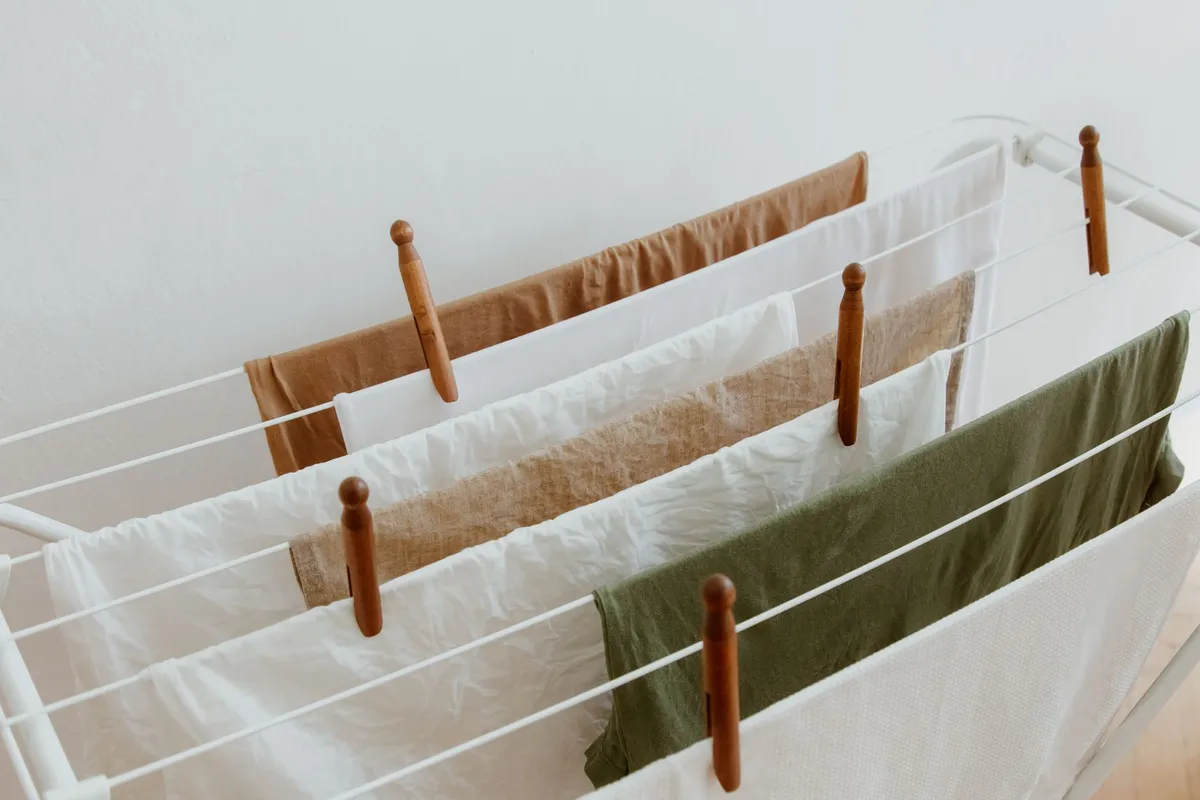
Moisture, above all. The GOV.UK guidance describes mould as a type of fungus which grows in moist environments, and that moisture mostly comes from showering, drying laundry and cooking. If it can't escape, it builds up in the air and is more likely to cause condensation. Where it settles.
Why is condensation usually the cause?#
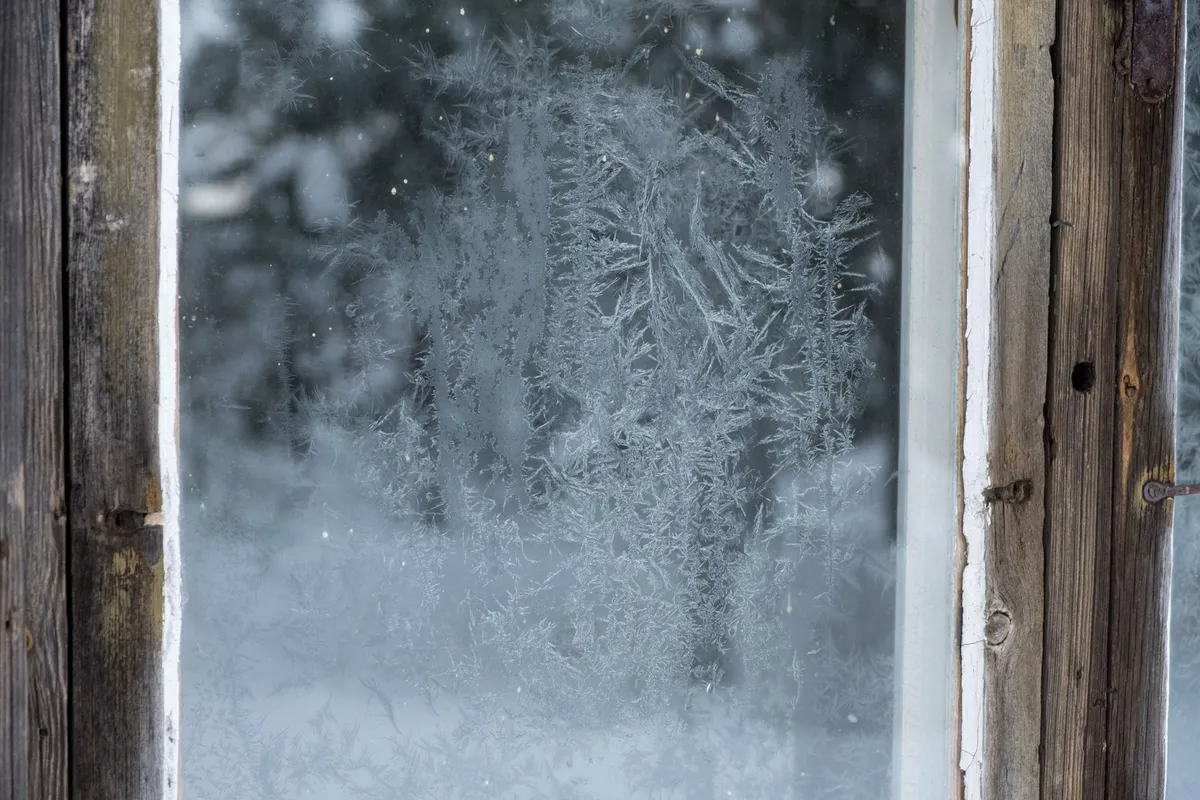
Because every home makes moisture, and it settles on the coldest surfaces: anything below the dew point (the temperature at which moisture in the air turns to water on a surface).
“Condensation damp happens when moisture generated inside the home cools and condenses onto colder parts of the buildings (for example window frames, corners and low points on walls behind sofas or wardrobes). This is the most common form of damp.”
It's usually worse in winter, when the windows stay shut and outside walls are at their coldest. Shelter notes that condensation is often worse in cold properties, and the GOV.UK guidance adds that heating a home irregularly can lead to more condensation. Why bathrooms get it first.
Why does mould keep coming back in the bathroom?#
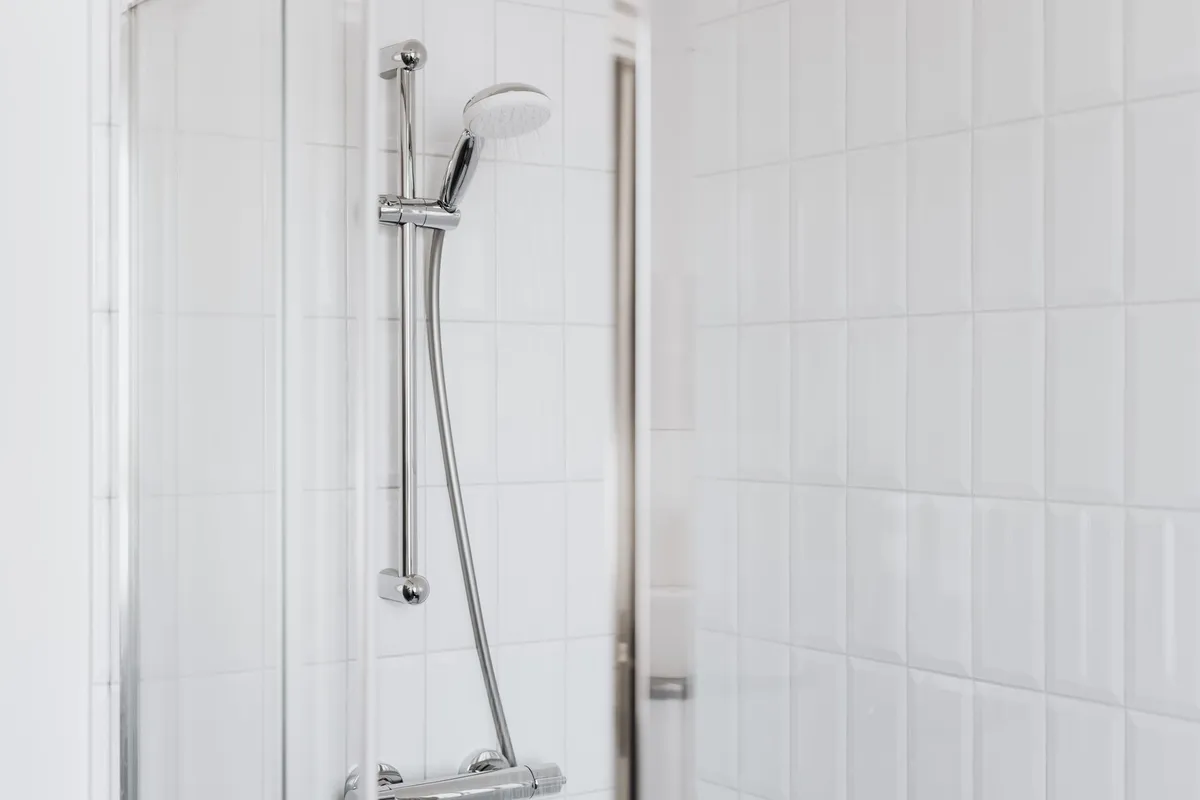
Because the bathroom makes a lot of moisture in a short time. The GOV.UK guidance singles out kitchens and bathrooms as rooms that inevitably produce a lot of moisture and need adequate ventilation.
If the steam isn't extracted, it settles on the ceiling, grout, sealant and window. The guidance lists extractor fans that are blocked or switched off among the causes to check, and suggests fans with an over-run, which keep going after you leave. How the ventilation options compare.
Why does mould keep coming back in the bedroom?#
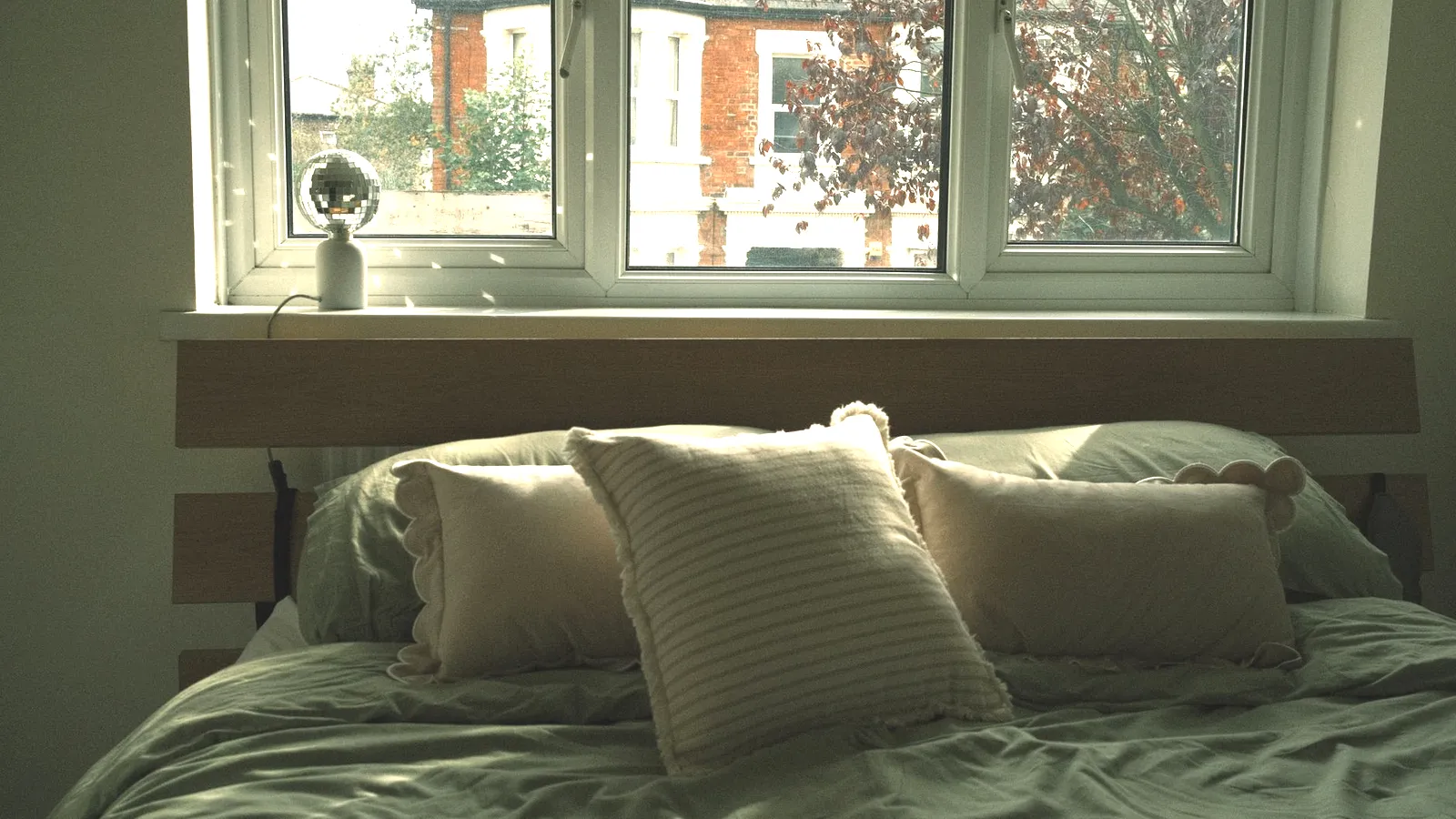
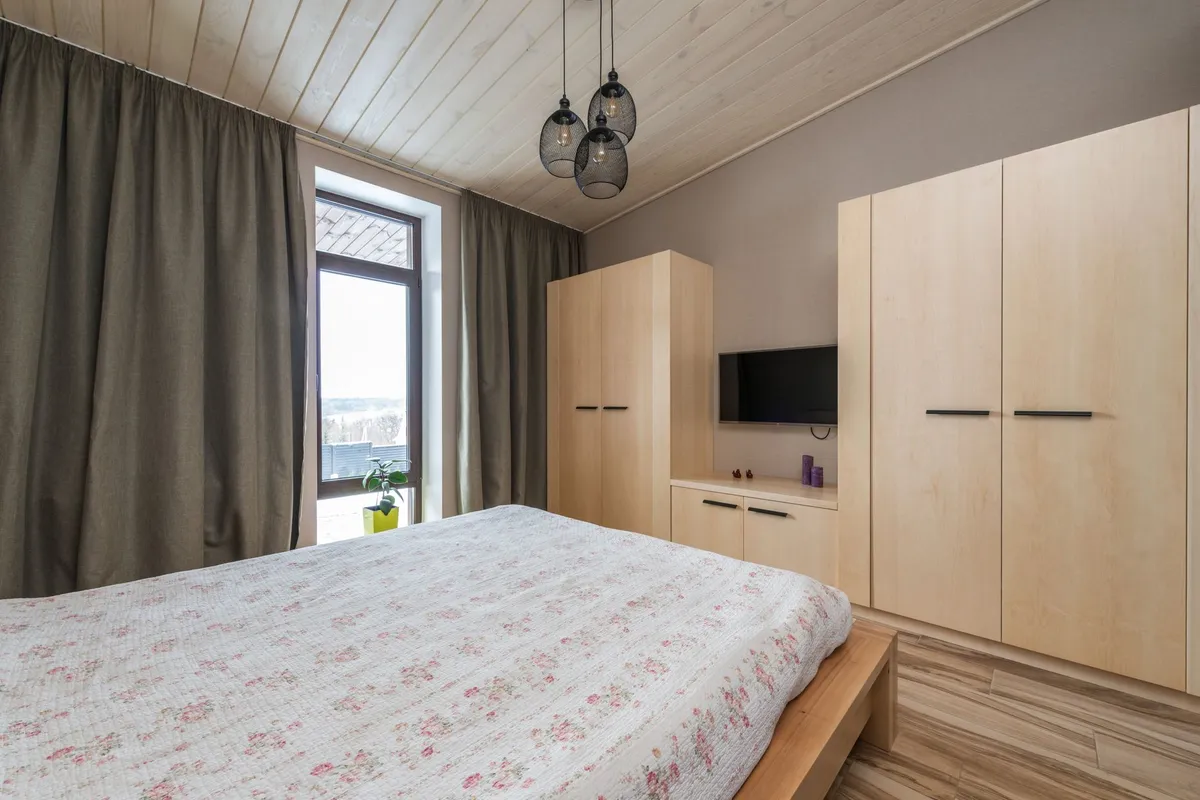
Because bedrooms are often cool, closed up overnight and full of furniture against outside walls. The moisture you breathe out through the night has nowhere to go but onto the coldest surface in the room. That's usually one of these:
- Behind the wardrobe or bed, where warm air can't reach the wall
- The window reveals and the wall just above the window
- The window frame, where condensation runs down and sits
The wardrobe usually goes against the outside wall because that's where it fits. Unfortunately, that's also the coldest wall in the room. Leaving a gap behind it, and keeping the trickle vents (the small slotted vents in window frames) open overnight, both help. If you're worried about sleeping in a room with mould, here's what the official health guidance says.
Why does mould keep coming back on the ceiling?#
Usually because the ceiling, or the corner where it meets an outside wall, is one of the coldest surfaces in the room. The GOV.UK guidance lists low levels of loft insulation among the causes to look for, and notes that gaps in insulation can create cold spots. It tends to show up in:
- Top-floor rooms, and rooms under a flat roof
- The corner where the ceiling meets two outside walls
- Bathroom ceilings above the shower, where the steam rises first
- A patch where loft insulation is missing or has been pushed aside
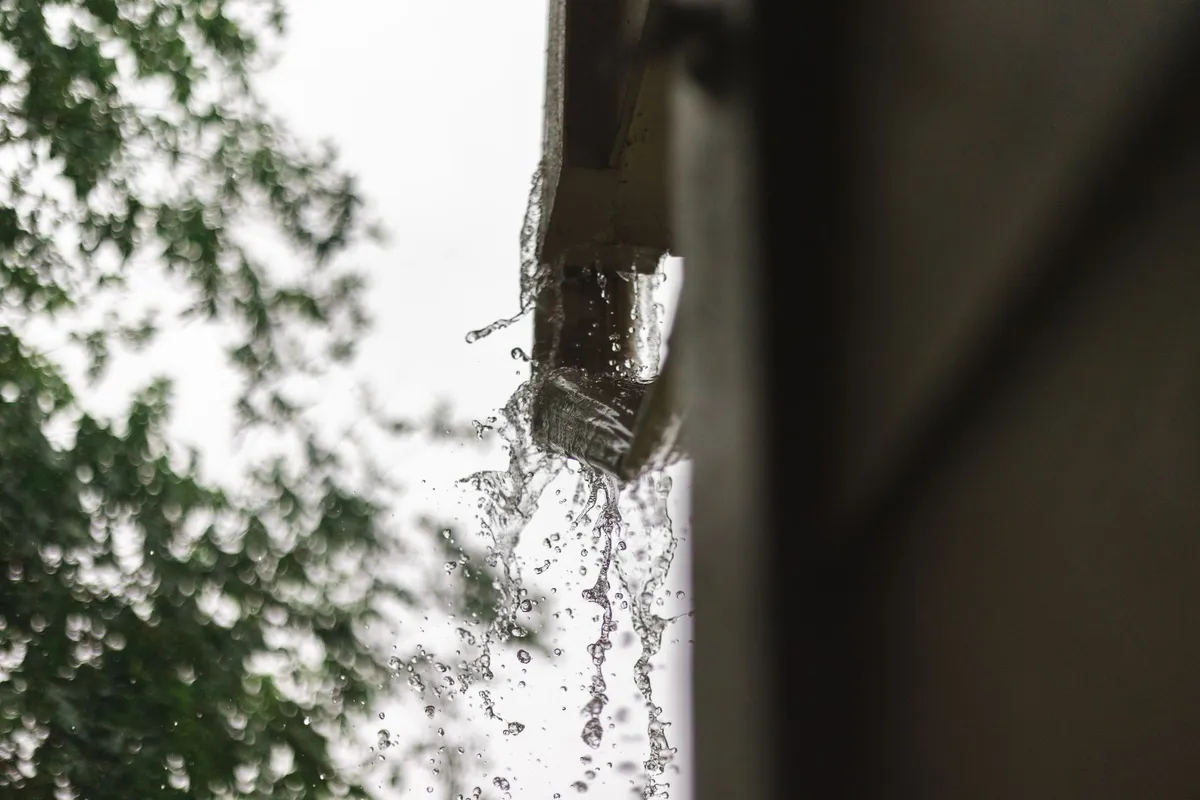
A patch that appears or spreads after rain is different. That can point to penetrating damp from a leaking roof, missing tiles or faulty guttering, not condensation. How to tell the difference.

How do you stop mould coming back?#
Reduce the moisture, get it out of the house, and keep your cold surfaces a little warmer. The GOV.UK guidance and Shelter suggest these everyday changes:
- Use the extractor fans in the kitchen and bathroom
- Close internal doors when you cook or shower
- Cover pans when cooking, and dry laundry outdoors if you can
- Leave a gap between furniture and outside walls
- Open windows from time to time, and keep trickle vents open and clear
- Wipe condensation from the window sills each morning
The guidance is clear that these sit alongside fixing the root causes, not instead of them. If the mould comes back anyway, something isn't changing. When to get it investigated.
Can you get rid of mould on walls permanently?#
Not with a product. No spray, paint or one-off treatment keeps mould away while the conditions that grew it stay the same. Your best chance of a wall staying clear is changing those conditions, which usually means better ventilation, and sometimes insulating one cold area. A survey shows which you need.
What if it isn't condensation?#
Then the fix is different, so it's worth knowing the signs. The GOV.UK guidance and Shelter describe the main types of damp like this:
- Condensation
- Moisture from inside the home settling on colder parts of the building.
- Penetrating damp
- Water getting in from outside through defects in walls, roofs, windows or floors. Damp patches on outside walls can be a sign.
- Leaks
- Water from leaking waste or heating pipes, overflowing baths or sinks, or burst pipes.
- Rising damp
- Moisture from the ground rising through walls and floors. It can affect basements and ground-floor rooms, and is usually found in older properties.
Rising damp is the one to be careful with. In my experience it gets diagnosed far more often than it's actually there, and the GOV.UK guidance also says it's often misdiagnosed. If your readings point to a leak, rising damp or a structural problem, you need a specialist, not me. I'll tell you who to call. How a survey tells them apart.

When should you get recurring mould investigated?#
When it keeps coming back after you've tried the simple fixes, or you can't tell where the moisture is coming from. A mould survey measures the conditions instead of guessing from how the mould looks. On a survey I take readings in the rooms you're worried about:
- Relative humidity (how much moisture the air is holding, compared with the most it could hold), to see whether the air itself is the problem
- Dew point and surface temperatures, to find the cold spots where moisture settles
- Where appropriate, whether your extractor fans are actually moving air
- Where appropriate, salts testing, which helps tell rising damp apart from other moisture
Your written report sets out what's causing the mould and what it will take to deal with it, usually better ventilation. If the plan needs work, a trusted third party or your own contractor does it. You're under no obligation to use anyone I recommend. What a mould survey includes.
Who is responsible for mould if you rent?#
Your landlord has legal duties around damp and mould, including under the Homes (Fitness for Human Habitation) Act 2018. The GOV.UK guidance also says it is unreasonable to blame damp and mould on tenants' 'lifestyle choices'. Everyday tasks produce moisture.
If you rent privately, Shelter's advice on damp and mould says your landlord must try to find out what's causing the problem, and shouldn't tell you it's just condensation without checking. If you rent from a council or housing association, Awaab's Law already requires your landlord to deal with significant damp and mould hazards within set timescales.
If you're a private landlord, you already have legal duties around damp and mould, and Awaab's Law is expected to be extended to private rentals. See mould surveys for landlords or independent reports for tenants.
Questions people ask
Will mould come back through paint?
It can. Paint covers the stain, not the damp underneath, so mould often shows through again. Shelter's advice for renters is that a landlord shouldn't tell you to paint over mould that keeps coming back. Deal with the cause first, then redecorate.
Can mould come back after professional treatment?
Yes, if the cause hasn't been dealt with. Treatment works on the mould that's there now, not on the conditions that grew it. Antimicrobial fogging, for example, is a supportive hygiene step. It doesn't fix whatever is causing the mould, and it isn't guaranteed to stop mould coming back. If you don't yet know the cause, start with a mould survey.
Will black mould keep coming back?
It will while the surface it grows on stays damp. The colour doesn't change why it returns: black, white or green, the fix is the same. Find and deal with the damp.
Can faulty windows cause mould?
They can contribute. The GOV.UK guidance lists broken seals around windows, and windows that don't close fully, among the causes to check when there's damp and mould.
Sources
- Understanding and addressing the health risks of damp and mould in the home, GOV.UK
- Damp and mould in private rented homes, Shelter
- Homes (Fitness for Human Habitation) Act 2018, legislation.gov.uk
- Awaab's Law: guidance for tenants in social housing, GOV.UK
- Guide to the Renters' Rights Act: Awaab's Law, GOV.UK
About the author
Duncan Ridley is qualified in water damage restoration (IICRC) and mould remediation (Dewpoint Professional). He spent 18 years as a technical advisor in the heating industry, after a long career in construction and heating systems, and works in structural drying, flood remediation and building fabric diagnostics. He carries out every Simply Filtered survey himself.
More about Duncan